 Jumpino
Updated
What do these labels mean?
SEO concerns discoverability in search engines. GEO usually refers to visibility in generated answers, while AEO focuses on answering questions. People also use AIO for AI-related optimization. These labels overlap and are not a single technical standard. Define the result you want before buying a package with four acronyms.
Google's AI features guidance says existing SEO practices remain relevant. It does not require a special AI file or a separate schema type. A valid sitemap or structured data can help describe a site, but neither guarantees a citation or ranking.
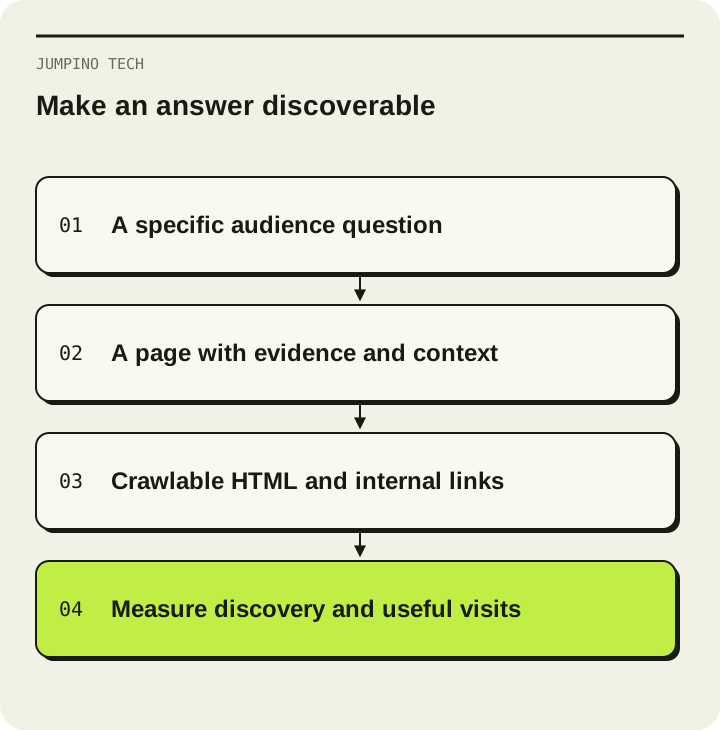
Answer a real buying question
A service business might need a page explaining how a multilingual website is maintained. A software product might need a guide explaining who can access customer records. Start with questions from actual conversations or Search Console, then check the current search results for what remains unanswered.
Write a direct answer near the beginning. Follow it with the conditions that change that answer, a concrete example and links to supporting documentation. Google's people-first content guidance is a useful editorial check. Adding a date without reviewing the substance is not maintenance.
Make the answer accessible to crawlers and people
Before publishing another article, inspect the page you already have. Does its public URL return the correct status? Is the main text present in HTML? Do canonical and language alternatives point to real public pages? Can someone reach it through an internal link?
Use structured data that matches visible information. Keep authorship, publication date and meaningful updates consistent. An FAQ can still help readers, but Google's Search updates records the retirement of FAQ rich results on 7 May 2026. FAQ markup should not be sold as a current rich-result shortcut.
Measure discovery and enquiries separately
Search impressions show exposure, not customer intent. Record queries, landing pages, clicks and relevant enquiries. Look for patterns over a comparable period and check whether the page reached the right audience. A technical tutorial can attract developers without generating requests for local website work.
For this portfolio, that means connecting technical articles to real projects and clear service pages. If your business needs the same work, send the current site and the questions customers ask. That gives us a concrete starting point for the content and technical checks.